Simple Flower Pattern Review
When I sit down to evaluate a new embroidery file for my own craft business, I am rarely impressed by complexity alone. Often, the most successful designs are the ones that feel effortless, clean, and versatile enough to adapt to various fabric textures without losing their visual integrity. That is exactly how I felt when I first pulled up the Simple Flower Pattern. It is not trying to be a masterpiece of intricate detail; rather, it aims for something far more valuable in the world of handmade commerce: reliability and charm.
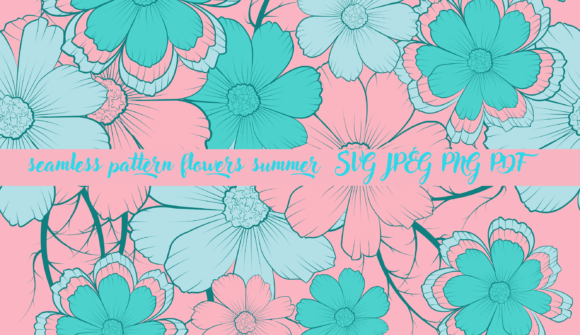
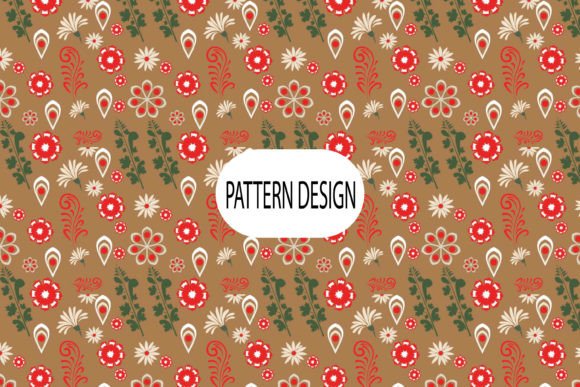
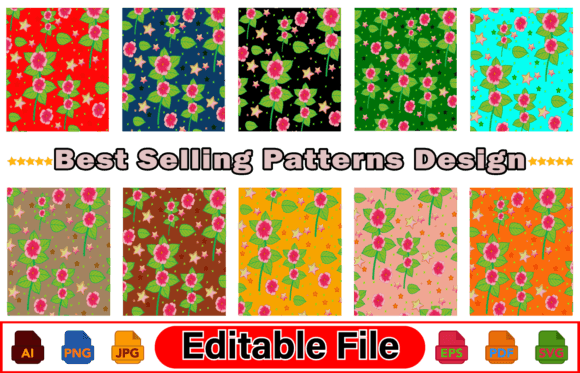
This design presents itself as a seamless cute floral and dots background, originally created as a vector illustration on a white background. While its origins lie in digital embroidery file assets intended for fashion prints or backdrops, my interest lies in how it translates to physical thread. For Etsy sellers and small shop product creators, the question is never just "does it look good?" but "will it stitch well?" and "does it sell?" After testing this pattern through several real-world scenarios, here is my practical assessment of its potential in your embroidery project workflow.
The First Impression: Mood and Visual Personality
The immediate takeaway from the Simple Flower Pattern is its approachable aesthetic. The combination of delicate floral shapes with scattered dots creates a rhythm that feels playful yet grounded. In the crowded marketplace of handmade products, designs that scream too loudly often get lost. This pattern whispers. It has a soft, inviting quality that works exceptionally well for categories like baby items, nursery decor, and gentle home accents. The layout is balanced, avoiding the cluttered look that can plague busy backgrounds, which makes it an excellent candidate for custom apparel where negative space is just as important as the design itself.
Visually, the pattern suggests a high level of professionalism. It feels curated, which helps elevate the perceived value of the final item. When a customer sees a well-executed simple pattern on a tote bag or a sweatshirt, they perceive the maker as someone who understands composition, not just button-pushing on a machine. This subtle boost in brand consistency is crucial for building trust with buyers who are looking for quality over quantity.
Real-World Application: Where This Design Shines
I have tested similar patterns across a wide range of mediums, and the Simple Flower Pattern shows particular strength in specific applications. Its versatility makes it a strong contender for several key product lines:
- Tote Bag Design: The seamless nature of the pattern allows it to cover large areas beautifully. On canvas or cotton tote bags, the floral and dot motif adds a pop of personality without overwhelming the utility of the bag. It transforms a plain accessory into a statement piece suitable for boutique branding.
- Sweatshirt Embroidery: For cozy, oversized hoodies, this pattern works wonderfully as a chest-sized accent or a smaller all-over print effect. The contrast between the soft fabric texture and the structured thread work enhances the tactile appeal of the garment.
- Baby Embroidery: The gentle theme aligns perfectly with the market for newborn gifts. Whether stitched onto a muslin blanket, a burp cloth, or a small bib, the design conveys care and tenderness. Parents are drawn to aesthetics that feel safe and sweet, and this pattern delivers exactly that.
- Kitchen Towels and Aprons: In the realm of home goods, this pattern brings a fresh, airy vibe to functional items. It is ideal for holiday embroidery themes, such as spring brunches or summer gatherings, making it a smart inventory choice for seasonal sales.
- Embroidered Patch: Because the design is relatively contained in its visual weight, it can be scaled down effectively for patches. These can be used on denim jackets, caps, or hats, adding a personalized touch that appeals to younger demographics and fashion-forward clients.
In each of these scenarios, the design serves as a foundational element that supports the product rather than distracting from it. It is a workhorse pattern—reliable, attractive, and broadly appealing.
Technical Considerations and Potential Pitfalls
While the aesthetic is strong, no designer should assume a pattern will perform flawlessly in every situation without due diligence. There are specific areas where the Simple Flower Pattern requires careful handling to ensure a professional finish.
First, consider the hoop size and scale. If you attempt to digitize or use this pattern in very small hoops, the individual elements may become indistinguishable. The dots and flower centers might merge, creating a muddy appearance. Always test the design at its intended scale before committing to a full production run. Similarly, on textured fabrics like heavy denim or bouclé, the fine details of the vector illustration may get lost. The uneven surface can disrupt the tension of the thread, leading to puckering or missed stitches.
Another critical factor is stitch density. Although described as a simple pattern, if the underlying structure relies heavily on dense fill stitches to cover the background, it may become stiff and uncomfortable against the skin. This is particularly important for baby clothes and personalized gifts that will see frequent washing and wear. A stiff embroidered area on a soft garment can detract from the user experience. I recommend checking whether the design utilizes lighter satin stitches or running stitches for the finer details to maintain flexibility.
Fabric color also plays a massive role. Since the original vector is on a white background, using light-colored threads on white fabric might result in low contrast. Conversely, dark threads on dark fabric could obscure the delicate dots. I advise testing thread colors against your specific fabric swatches. Black and white mockups are an excellent tool here; they strip away color distractions and allow you to judge the balance of the design purely on shape and spacing.
Practical Designer Notes for Execution
To get the best results from the Simple Flower Pattern, follow these practical steps:
- Test on Scrap Fabric: Never go straight to the final product. Use a scrap piece of the same material to check tension, thread behavior, and overall look.
- Check Stabilizer Compatibility: Depending on the fabric weight, you may need cut-away or tear-away stabilizers. Improper stabilization is the number one cause of poor embroidery results, especially with seamless patterns that span larger areas.
- Inspect Small Details: Zoom in on the digital preview. Are the dots too small to stitch cleanly? Do the flower petals have enough definition? If details are marginal, simplify the design or adjust the scale.
- Verify Licensing: Before listing any finished items on Etsy or selling them in a craft fair, confirm the licensing terms. Even though this is a graphics asset, commercial rights vary. Ensure you are legally permitted to sell physical products made from this design.
- Consider Applique Options: For a higher-end look, this pattern could be adapted into an applique design. Using different fabric scraps for the flowers and dots can add texture and depth, elevating the finished product significantly.
Final Verdict: Is It Worth Adding to Your Arsenal?
The Simple Flower Pattern is a solid, dependable addition to any designer’s library. It does not promise avant-garde artistic statements, but it offers something arguably more valuable for a sustainable business: consistent, broad-market appeal. It fits seamlessly into the workflows of apparel decorators, digital product sellers, and hobbyists alike.
If you are looking to expand your line of commercial embroidery items with pieces that feel modern, gentle, and professionally crafted, this pattern is a strong candidate. It respects the limitations of the medium while maximizing visual impact. By paying attention to fabric choices, stabilizer usage, and thread contrast, you can turn this simple vector concept into a standout handmade product that customers will love. Just remember to do your homework on the technical specs and licensing, and let the design’s inherent charm do the rest of the work.