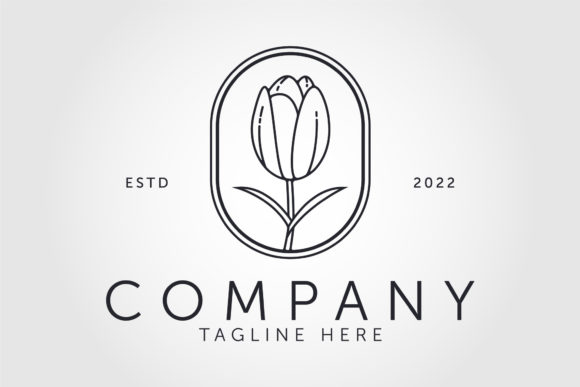
Tulip Line Icon. Nature, Botany, Beauty. Graphics and Logos Review
As a digital product creator who has spent years refining asset libraries for Etsy shops and print-on-demand platforms, I approach every new graphic design asset with a mix of excitement and skepticism. The market is saturated, and the difference between a bestseller and a forgotten file often comes down to versatility, clarity, and commercial viability. Recently, I evaluated a specific vector set titled Tulip Line Icon. Nature, Botany, Beauty. This collection promises elegance through simplicity, focusing on linear aesthetics that appeal to modern minimalist trends. In this review, I break down how this asset performs in real-world selling scenarios, from Cricut projects to high-end branding kits.
First Impressions: Visual Personality and Niche Appeal
When you first load the files, the immediate takeaway is the clean execution of the monoline style. Unlike cluttered clipart or overly detailed illustrations, these tulip designs rely on consistent stroke weights and negative space. This makes them feel premium rather than generic. The mood is undeniably spring-like but carries a sophisticated weight that works well beyond just seasonal decor. It feels botanical, refined, and highly decorative without being fussy.
For sellers targeting audiences interested in nature, botany, and beauty, this asset hits the right notes. It appeals to customers looking for feminine, elegant, and modern aesthetics. Whether your shop focuses on rustic farmhouse vibes or sleek contemporary home decor, the linear style bridges the gap effectively. It is not cute in a childish way; it is chic. This distinction matters when you are trying to attract higher-paying customers who value perceived quality over low-cost volume.
Real-World Application: From Digital Downloads to Physical Merch
The true test of any graphic design asset is its adaptability across different product types. Here is how Tulip Line Icon. Nature, Botany, Beauty. performed when I tested it across various commercial use cases.
- SVG Design and Crafting: For Cricut and Silhouette users, the cut lines are precise. The single-line continuity means fewer weeding errors. This is ideal for creating sticker designs, vinyl decals for tumblers, and intricate t-shirt design projects. The simplicity ensures that even small details remain visible after cutting.
- PNG Design and Sublimation: When used as a PNG design for sublimation printing on mugs, tote bags, and apparel, the crisp edges hold up well against busy backgrounds. It serves as an excellent focal point for mug designs where the central image needs to stand out clearly.
- Printable Wall Art and Nursery Prints: These icons translate beautifully into printable wall art. Because they are vector-based, you can scale them up to poster size without losing resolution. They work particularly well in nursery prints or gallery walls where a cohesive botanical theme is desired.
- Canva Template and Social Media Graphics: As a designer, I frequently use assets like this in Canva templates for bloggers and small business owners. The tulip icon adds a touch of professionalism to social media graphics, blog headers, and promotional visuals. It helps establish visual hierarchy by drawing the eye without overwhelming text.
- Brand Identity and Packaging Design: For creative entrepreneurs building a brand identity, these logos and emblems are versatile. You can place a single tulip line icon inside a circle or badge shape to create a logo for a flower shop, a boutique bakery, or a wellness brand. It supports small business branding by offering a clean, memorable mark.
Product Presentation and Listing Strategy
In the digital marketplace, your listing images are just as important as the product itself. A strong graphic design asset can elevate your product mockup previews significantly. When showcasing Tulip Line Icon. Nature, Botany, Beauty., focus on context. Show the tulip blossom not just as a standalone file, but integrated into a greeting card invitation template or printed on a linen tote bag.
This approach aids in visual storytelling and builds customer trust. Buyers want to see how the design looks in a finished state. By pairing the linear flower and plant elements with realistic textures—like kraft paper for stickers or glossy ceramic for mugs—you increase click-through potential. Furthermore, using these assets in product bundles allows you to offer more value. For example, a "Spring Garden Bundle" featuring multiple variations of the stem, leaf, and bouquet designs encourages larger average order values.
Where This Asset Shines
The strengths of this vector lie in its scalability and thematic consistency. It works best in large product previews where the line weight is legible. It is also perfect for themed bundles, such as Easter collections, Mother’s Day greeting cards, or wedding invitation suites. The linear style allows it to blend seamlessly with other design assets, making it a reliable component for digital download libraries.
Cautions and Limitations
However, no asset is perfect for every scenario. Sellers should use this design carefully in certain contexts. Because the style is linear and minimal, it may get lost in tiny sticker details or overly complex layouts. If you plan to use it for products requiring very fine detail at a small scale, ensure the resolution is high enough. Additionally, be mindful of contrast. On dark backgrounds, white line art might disappear unless you add a drop shadow or change the stroke color. Avoid placing these delicate stems and leaves in crowded thumbnails where they might appear blurry or indistinct. Finally, while the SVG is great for cutting, verify that the nodes are optimized to prevent unnecessary bulk in the final cut file.
Practical Seller Notes for Implementation
To maximize the commercial potential of this asset, follow these practical steps before publishing your listings:
- Test on Real Mockups: Never upload raw screenshots. Place the tulip icon on actual product mockups to check how it interacts with shadows and lighting.
- Check Transparency and Resolution: Ensure your PNG files have true transparency and inspect the SVG code to confirm clean paths. Verify that the file resolution meets print standards (usually 300 DPI for physical goods).
- Font Pairing: Typography completes the design. Pair the delicate lines of the tulip with complementary fonts. A serif font adds elegance, while a sans serif font keeps it modern. Script fonts can enhance the romantic feel for wedding-related products, whereas handwritten fonts might suit handmade business vibes better.
- Organize for Customers: When selling digital downloads, organize your files clearly. Provide separate folders for SVG, PNG, and EPS formats. Include a readme file with usage instructions.
- Verify Licensing: Always confirm the commercial license terms. Even if the asset is labeled for commercial use, check if attribution is required or if there are restrictions on reselling the unaltered vector files themselves.
Ultimately, Tulip Line Icon. Nature, Botany, Beauty. is a solid addition to any digital product creator’s toolkit. It offers the flexibility needed for diverse niches, from eco-friendly packaging design to trendy social media content. By testing it thoroughly and presenting it professionally, you can leverage this graphic design asset to create sellable products that resonate with buyers seeking quality and aesthetic appeal.