Review: 16 Oz Libbey Glass Can Flower Embroidery Design
As a designer who spends more time than I care to admit staring at stitch counts and fabric swatches, I have learned that not every graphic translates well into thread. There is a distinct difference between a design that looks good on a screen and one that holds up under the tension of an embroidery machine. Today, I am putting 16 Oz Libbey Glass Can Flower through its paces to see if it deserves a spot in my library for real-world projects.
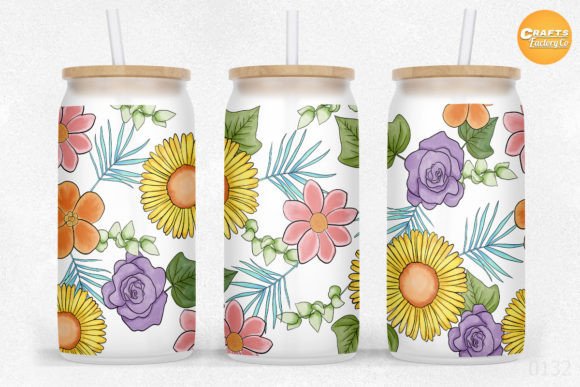
The premise is straightforward: a floral pattern designed specifically for a 16 oz Libbey glass can tumbler. While the source material mentions sublimation, we are looking at this through the lens of an embroidery file. The core question is whether this seamless floral pattern brings enough visual weight and charm to justify the hoop time, or if it gets lost in the weave of the fabric. After testing various scenarios, from tote bags to boutique merchandise, here is my practical assessment.
First Impressions and Visual Personality
When you first load 16 Oz Libbey Glass Can Flower, the immediate takeaway is its playful yet structured aesthetic. The "Libbey" reference anchors the design in a specific cultural moment—the nostalgic, retro feel of soda cans—while the floral element softens it, making it approachable for a broader audience. It feels less like a rigid corporate logo and more like a lifestyle brand asset.
The mood it creates is casual, cheerful, and distinctly handmade. For designers building a brand around personalized gifts or craft business items, this vibe is hard to beat. It doesn’t scream for attention; instead, it invites the viewer to appreciate the detail. The layout suggests a wrap-around continuity, which is crucial for cylindrical objects but also works beautifully on flat surfaces if you treat it as a repeating motif. Visually, it strikes a balance between busy and breathable, avoiding the cluttered look that often plagues lower-quality digital embroidery files.
Real-World Application: Where This Design Shines
In my experience, the success of an embroidery project depends heavily on the substrate. 16 Oz Libbey Glass Can Flower finds its natural home in a few specific categories where its strengths can shine without being compromised by difficult fabric behaviors.
- Custom Apparel and Sweatshirts: The floral pattern adds a nice texture to heavy cotton blends. When stitched onto a sweatshirt, the design gains depth, especially if you use varied thread colors to mimic the shading of the original graphic. It works particularly well on pocket placements or centered chest designs where the eye can wander over the details.
- Tote Bags and Canvas Goods: This is perhaps the strongest use case. The sturdy nature of canvas allows the stitch density to sit properly without puckering. A tote bag featuring this design immediately signals "handmade product" quality. It’s perfect for Etsy sellers looking to create unique tote bag design variations that stand out against mass-produced alternatives.
- Kitchen and Home Decor: Tea towels, aprons, and pillow covers benefit from the whimsical nature of the floral can theme. It fits seamlessly into modern farmhouse or eclectic decor styles. The design’s color palette (assuming standard thread choices) tends to complement neutral backgrounds, making it a versatile choice for embroidered patch applications on kitchen linens.
- Baby Items and Nursery Decor: The softness of the floral elements makes it suitable for baby clothes and nursery accents. However, caution is advised regarding scale. On tiny items, the details might become too fine, so scaling down requires careful review of the running stitch clarity.
Technical Considerations and Potential Pitfalls
No design is without its challenges, and 16 Oz Libbey Glass Can Flower is no exception. As a professional reviewer, I must highlight where this design requires extra care to ensure a successful outcome.
Fabric Texture and Stability: Because the design includes intricate floral details, it performs best on stable, woven fabrics. Avoid using this on highly textured fabrics like bouclé or thick chenille unless you are experienced with hooping techniques for uneven surfaces. The risk of needle deflection increases, which can distort the delicate lines of the flower petals. Similarly, thin fabrics may require additional stabilizer support to prevent the design from pulling the material into the hoop.
Small Hoop Sizes: If you are working with a smaller hoop, you may need to resize the design. Be aware that shrinking a complex machine embroidery design can lead to a loss of definition. The individual stitches may merge visually, turning what should be crisp petals into a muddy blob. Always test the scaled version on scrap fabric before committing to your final piece.
Dense Stitch Areas: Check the fill stitch areas closely. In some digital formats, fill stitches can become overly dense, leading to stiff spots in the finished fabric. This is particularly noticeable on apparel that needs to remain soft to the touch. If the design feels too rigid after stitching, consider reducing the density or switching to a lighter underlay type.
Thread Color Contrast: The visual appeal of 16 Oz Libbey Glass Can Flower relies heavily on contrast. On dark fabrics, you will likely need a white or light-colored underlay to make the colors pop. Conversely, on light fabrics, ensure the thread colors are saturated enough to provide definition. I recommend creating a black-and-white mockup of the design to check the value distribution before loading threads.
Impact on Product Value and Branding
For small business owners and Etsy sellers, the perceived value of a product is directly tied to the quality of the execution. A well-executed 16 Oz Libbey Glass Can Flower design elevates a simple item into a premium gift. It suggests thoughtfulness and creativity, which are key drivers for customer trust and engagement.
When used in commercial embroidery projects, such as branded merchandise for local events or boutique collections, this design offers a level of professionalism that generic clip art cannot match. It helps establish brand consistency, especially if you incorporate similar floral motifs across different product lines. Customers are more likely to share photos of their purchases if the embroidery looks polished and intentional, providing free marketing for your shop.
Practical Designer Notes for Success
Before adding this design to your production queue, keep these practical tips in mind:
- Test on Scrap Fabric: Never assume a design will work perfectly on your target material. Always run a test stitch-out on the exact fabric and stabilizer combination you plan to use.
- Inspect Small Details: Zoom in on the digital preview. Are there any isolated pixels or tiny shapes that might not stitch out cleanly? Adjusting these manually in your software can save hours of rework.
- Confirm Licensing: Ensure you have the right to sell finished products made from this digital embroidery file. Commercial licenses vary, and violating terms can have serious consequences for your business.
- Use Proper Stabilizer: Match your stabilizer to your fabric weight. A heavy tear-away or cut-away stabilizer may be necessary for heavier garments, while a lightweight water-soluble option might suffice for delicate textiles.
- Check Software Compatibility: As noted in the product description, ensure your software can handle the file format correctly. Import issues can lead to distorted designs, so verify the file integrity before starting.
Final Verdict
16 Oz Libbey Glass Can Flower is a solid addition to the toolkit of any designer focused on crafts and graphics. It offers a charming, versatile aesthetic that works well across a range of products, from personal gifts to commercial merchandise. While it requires careful attention to fabric choice and stitch density, the payoff is a high-quality, visually appealing result that customers love.
If you are looking to add a touch of retro-chic flair to your handmade product line, this design delivers. Just remember: preparation is key. Test thoroughly, choose your materials wisely, and let the design do the talking. For those willing to put in the effort, the result is a professional-grade embroidered piece that stands out in a crowded market.